Fire Prevention Technologies NSW delivers a complete range of fire protection and compliance services. From gaseous suppression to kitchen, vehicle, and specialist detection systems, each solution is certified to Australian Standards – protecting assets, people, and industries across NSW.
Case study: commercial kitchen fit-out for Promena Building Group
| At a glance | |
| Venue | Opera Bar, Sydney |
| Builder | Promena Building Group |
| Project | Commercial kitchen fit-out |
| System | Wet chemical fire suppression system protecting the cooking appliances |
| Focus | Coordinating with the builder, the incumbent fire contractor and other trades on an active site |
A wet chemical fire suppression system can’t go in first on a commercial kitchen fit-out, and it can’t be left until the last minute. It needs finished walls to mount to, with appliances in their final positions. The electrical connections have to line up with another contractor’s work.
Get the order wrong, and everyone waits.
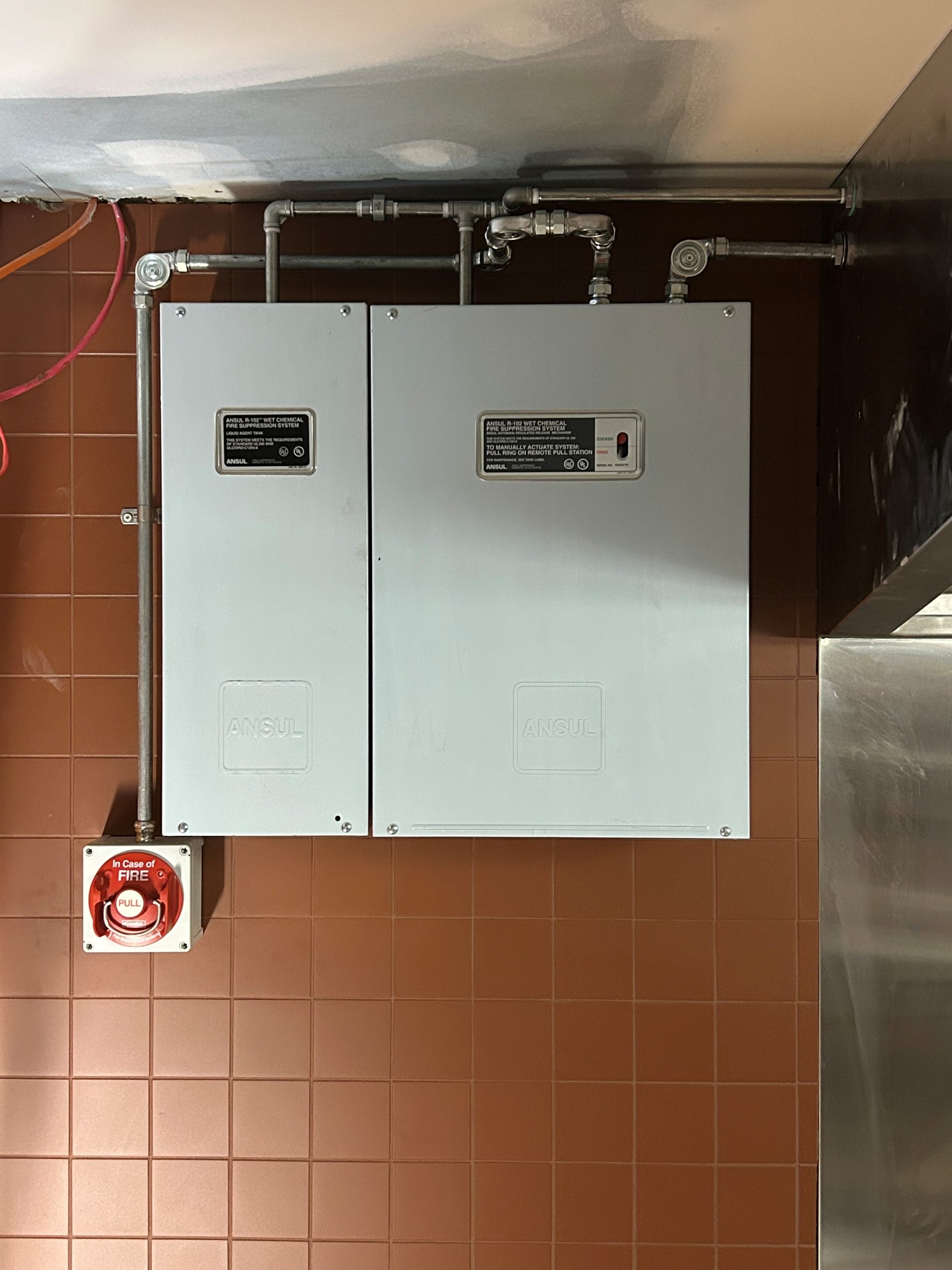
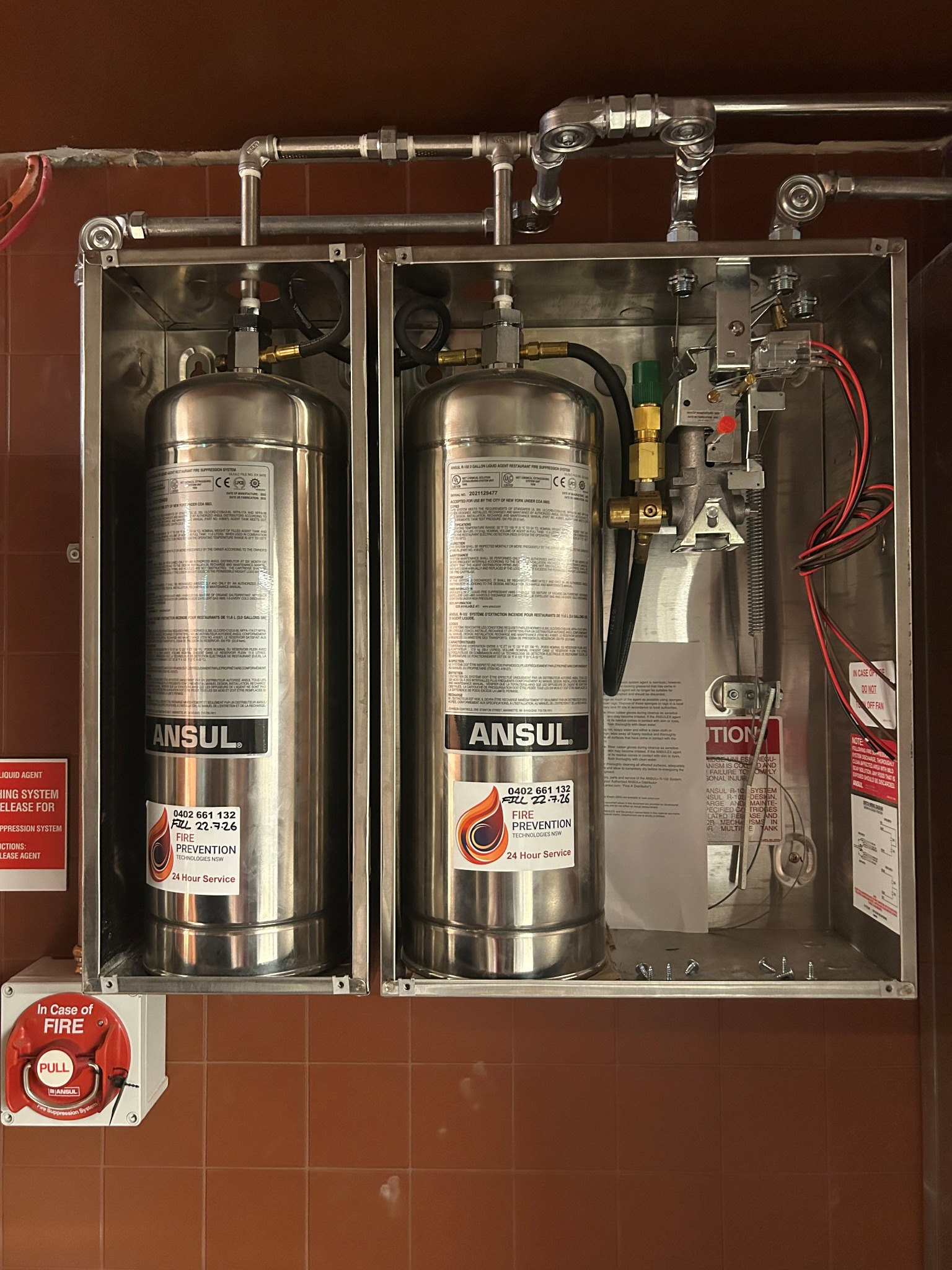
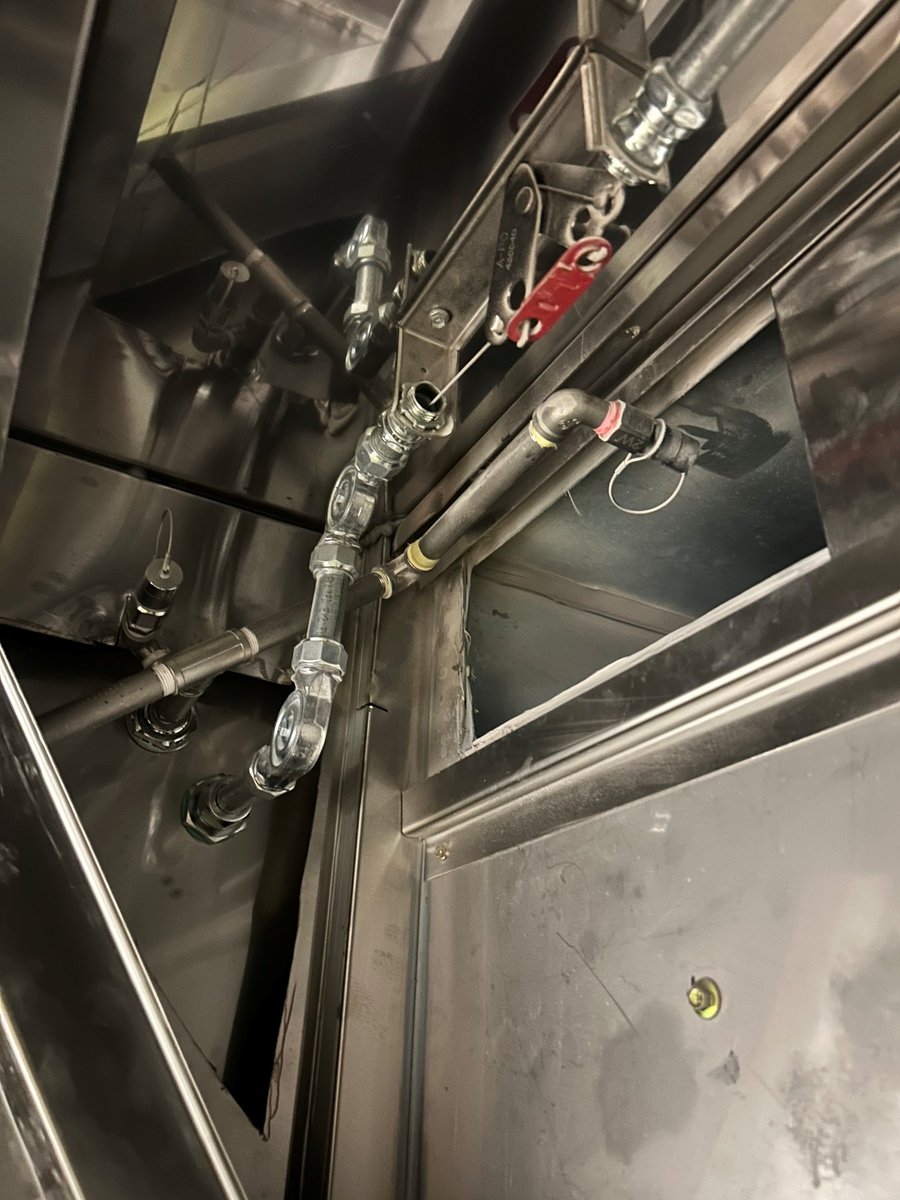
That was the challenge at Opera Bar in Sydney. Fire Prevention Technologies NSW (FPT NSW) installed the wet chemical system in the commercial kitchen fit-out for Promena Building Group, with other trades still at work around our team.
“A fire suppression install can only move as fast as the trades around it.”
The brief: fire protection for a commercial kitchen fit-out
A commercial kitchen runs hot oil and open flame for hours at a stretch. Bar and restaurant fire protection starts here, because a kitchen fire can close a venue as quickly as it can put the people inside at risk.
A fit-out lets the system be planned around the cooking equipment and layout. It also ties the install to everyone else’s progress, because every trade on site is working toward the same completion date.
How a wet chemical fire suppression system protects a commercial kitchen
Cooking oils and fats burn differently from ordinary fires, and water makes them worse. A wet chemical fire suppression system is built for that hazard. It discharges a fine spray of alkaline liquid over the protected appliances, cooling the hot oil and forming a foam blanket that cuts off oxygen and helps stop the fire re-igniting.
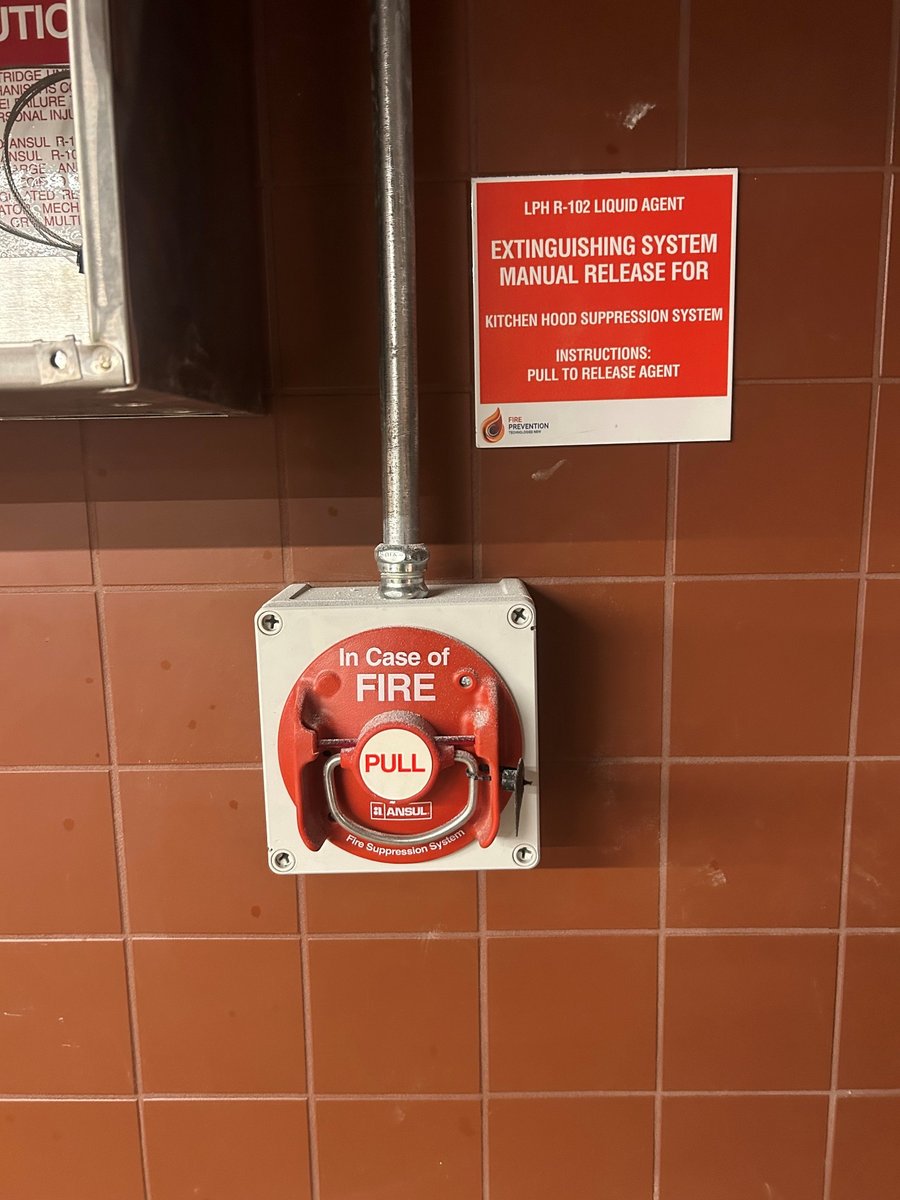
Wet chemical systems detect heat and discharge automatically, and most also include a manual trigger for staff. Our kitchen fire suppression systems page covers the full service, and our commercial and industrial kitchens page explains what to expect. Venue operators can also read about our hospitality fire protection work.
Installing kitchen fire suppression on an active building site
Coordinating with the incumbent fire contractor
- The challenge: The electrical components had to be wired in by the building’s incumbent fire contractor, so two fire companies and one builder had to line up.
- How we handled it: Clear communication with Promena and with the other contractor kept each connection moving at the right stage.
Timing the install around appliance delivery
- The challenge: Wet chemical nozzles are positioned and aimed at specific appliances, so the protection can only be run once those appliances are in place.
- How we handled it: Our team coordinated with Promena and the person delivering the appliances, so the protection could be run as soon as the appliances were in position.
Sequencing the install around other trades
- The challenge: The equipment mounts to the kitchen walls, so the walls, including tiling, had to be finished first. Once we reached certain stages, we couldn’t carry on until the surrounding work was done.
- How we handled it: We flagged the areas that needed finishing before each stage, so the other trades could plan around us.
What kept the commercial kitchen fire suppression installation on track
• Open communication. Communication with Promena’s team was open, so timing questions got answered fast.
• Flexible site access. Promena gave our team access codes, so we could start and finish whenever the work called for it.
• A builder who understood the sequence. Promena knew we couldn’t return to certain stages until other work was complete.
The builder moved the other trades along, so the install kept its momentum.
Fire suppression for builders: planning a commercial kitchen fit-out
If you’re planning a commercial kitchen fit-out, settle these with your specialist fire protection contractor early:
| What to line up | Why it matters |
| Appliance delivery dates, as early as you can | Protection can only be run once the appliances are in position |
| Areas that must be finished first, including tiling | The equipment mounts to finished walls |
| An introduction to the other fire contractor, before the electrical stage | The electrical and suppression work has to line up |
| Site access agreed up front | Our team can work around your program instead of waiting on it |
Want to line these up for your project? Talk to our team before the fit-out program is locked in.
The result: a smooth install and a new builder relationship
Despite working on an active building site, our team completed the install and the job ran smoothly. The kitchen’s cooking appliances are now protected by the wet chemical system, installed alongside the builder and the incumbent fire contractor.
It also started a good working relationship with Promena Building Group. We would welcome the chance to work on their next project.
For builders, the lesson is simple. Bring your specialist fire protection contractor into the program early, especially when the install depends on other trades finishing first.
Kitchen suppression system maintenance after handover
Installation is where protection starts. FPT NSW also services and maintains kitchen suppression systems, with documented records that support your risk mitigation and insurance requirements.
Fire protection for your commercial kitchen fit-out in NSW
Planning a restaurant refurbishment, a new commercial kitchen or a hospitality fit-out? Whether you’re the builder or the operator, bring our team in early. We’ll plan the wet chemical fire suppression system around your program, your appliances and your site, from Sydney to Newcastle, the Central Coast and Wollongong.
Contact Fire Prevention Technologies NSW to talk through your project.