Kitchen Suppression Systems

Fire Risk in Hospitality

Commercial kitchens are high-energy environments where grease, heat, and open flames combine to create constant risk. For restaurants, hotels, schools, and catering facilities, even a small fire can shut down the kitchen, disrupt service, and result in thousands of dollars in lost revenue.

Staff safety is also at risk, as is the potential for insurance refusal without certified fire suppression. Hospitality operators know prevention is always cheaper than downtime and investing in a compliant kitchen suppression system is the foundation of modern fire safety.
How Suppression Works

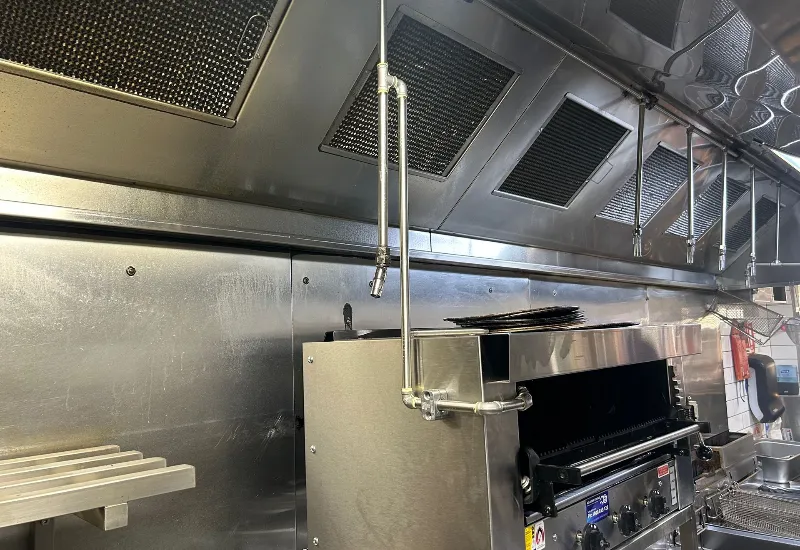
Kitchen fire suppression systems are designed to attack grease fires fast. Wet chemical agents smother flames, cool the oil, and create a foam seal to stop re-ignition. Automatic shutoffs cut gas or electricity instantly, preventing the fire from spreading.

Unlike handheld extinguishers, these systems are always ready, triggered by fusible links or sensors. For schools, hotels, and restaurants, that means fires are controlled before they escalate, protecting both people and premises.

The Stat-X system deployed automatically and saved our race boat from total destruction.

Darryl Quinn, Powerboat Racer
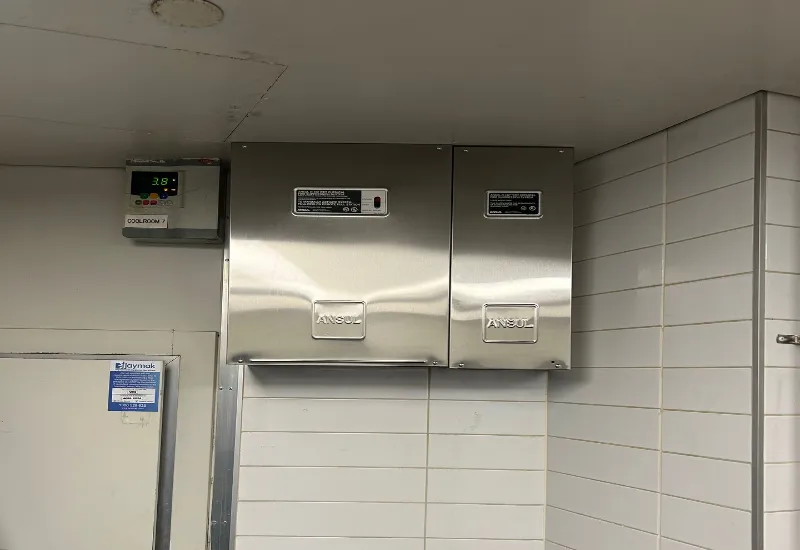
Two stainless steel Ansul control panels mounted on a tiled kitchen wall, part of a commercial kitchen fire suppression and compliance inspection system.

Compliance and Inspections

Under AS1851, commercial kitchen suppression systems must be inspected twice yearly. These checks confirm systems are functional, cylinders are pressurised, and activation pathways are clear. Because wet chemical agents are alkaline, any discharge requires professional cleaning within 24 hours to prevent corrosion.

Staying ahead of inspections not only ensures safety but also satisfies insurers, reduces liability for business owners, and protects revenue streams from unexpected disruption.

Trusted Protection

At Fire Prevention Technologies NSW, we provide independent, supplier-agnostic advice. That means your system isn’t chosen to meet a sales target; it’s determined to meet your risks. From installation through to certification and ongoing servicing, our role is to ensure kitchens remain safe, compliant, and insurable.

All kitchen suppression systems are classified as special hazard fire protection, with design and maintenance delivered under FPAS and EAHL accreditation for verified AS1851 compliance.

With us, you don’t just get a product, you get long-term protection for your team and business. Safeguard your kitchen with certified fire suppression. Contact Fire Prevention Technologies NSW today.

Key Takeaways

High Fire Risk in Kitchens

Grease, heat, and constant activity make suppression essential.

Wet Chemical Agents

Cool and blanket fires, preventing re-ignition.

Mandatory Inspections

Twice-yearly testing under AS1851 is required by law.

Independent Solutions

Supplier-neutral advice ensures the right system for your needs.

Practical Tips

Book Inspections on Schedule

Semi-annual checks keep systems compliant and ready.

Clean Fast after Discharge

Alkaline residue must be removed within 24 hours.

Train Kitchen Staff

Make sure employees know how systems activate.

Document Everything

Keep inspection and service records handy for insurers.

Independent Fire Protection Specialists

Why Choose Fire Prevention Technologies NSW

With decades of experience, we deliver tailored fire safety solutions that protect high-risk industries across NSW. From gaseous fire suppression NSW to kitchen and vehicle systems, every service is built on independence, compliance, and proven expertise.

Independent Expertise

We recommend the best system & are not tied to one supplier.

Compliance First

AS1851, FPAS and EAHL certified for safety and compliance in special hazard environments.

Proven Industry Experience

Trusted across data centres, marine, and industrial sites.

Certified to Australian Standards

Proven Standards & Compliance

Certified to AS1851 and Australian Standards, every system we install and maintain delivers proven protection and compliance across NSW industries.

The Stat-X system deployed automatically and saved our race boat from total destruction.

Darryl Quinn, Powerboat Racer

Frequently Asked Questions

Still have questions? Contact our expert team today to discuss your fire protection needs and find the right solution for your site.
Are kitchen fire systems considered special hazard systems?
Yes. Commercial kitchens are classified as special hazard environments due to their high heat, oil, and fuel load. Systems are certified under FPAS and EAHL for compliance and safety.
Do I need certification for my kitchen suppression system?
Absolutely. Systems must comply with AS1851 and be certified by an FPAS-accredited provider to meet insurance and safety obligations.
Can FPT NSW retrofit a system into an existing kitchen?
Yes. We install pre-engineered and custom kitchen suppression systems that integrate seamlessly with existing ventilation and exhaust designs, ensuring compliance with AS1851 standards.
What type of agent is used in kitchen fire systems?
Most kitchen systems use wet chemical agents formulated to suppress grease and oil fires. They’re fast-acting, residue-free and designed for commercial cooking environments.
How often should a kitchen fire suppression system be serviced?
At least every six months, as per AS1851. Regular servicing ensures your system remains compliant, reliable, and ready to perform in a high-risk kitchen environment.